
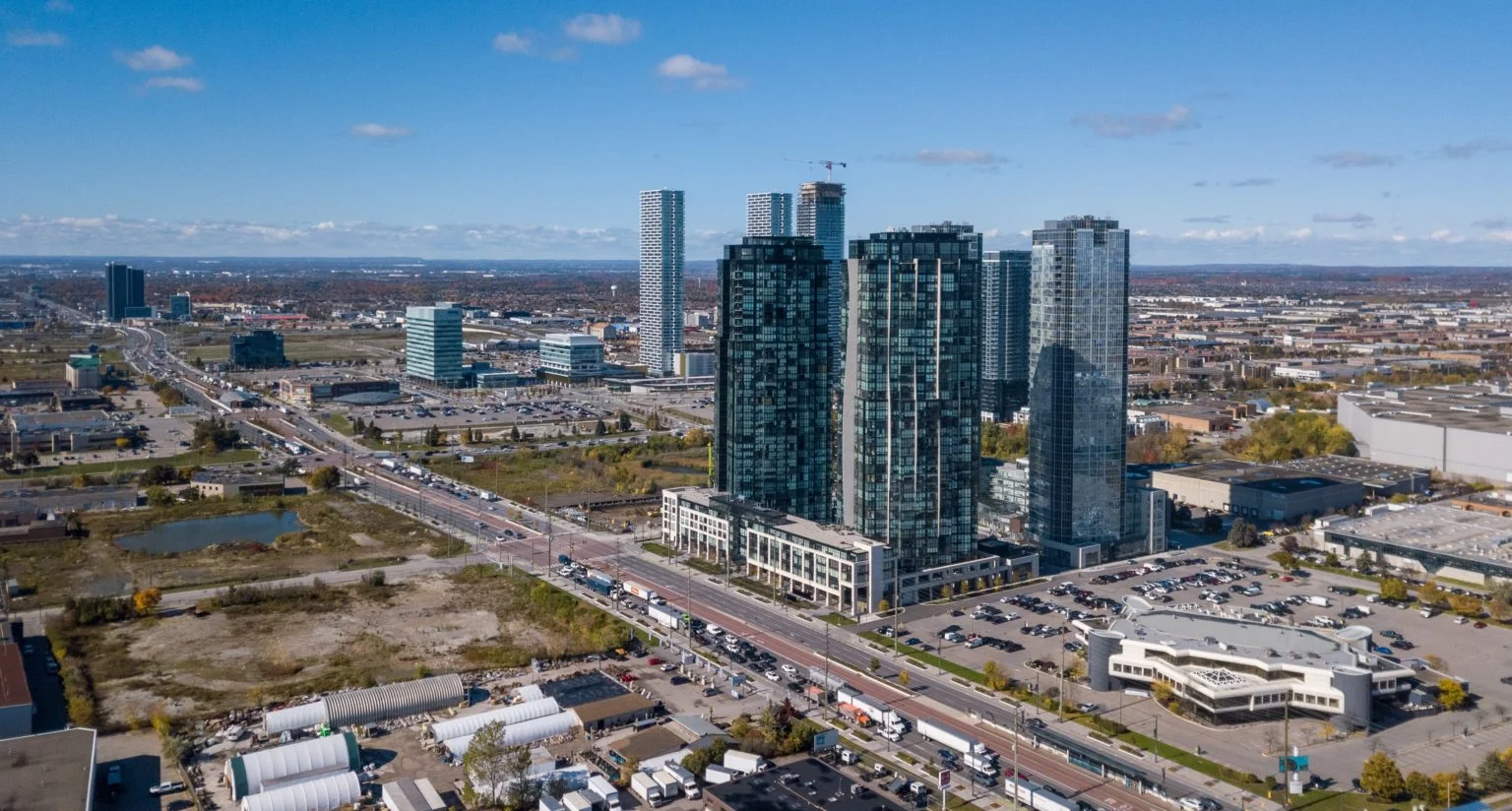
The current economic climate marked by significant inflation, high construction costs, rising interest rates, and uncertain market conditions, has made it increasingly difficult for developers to build purpose-built rental housing.
Industry groups such as the Greater Toronto Apartment Association have estimated that building a single rental tower costs around $250 million. SmartCentres, a well-established Real Estate Investment Trust (REIT), has stated that high Development Charges (DCs) make their 20,000 planned residential units financially unviable. Both groups stress that lowering development costs (DCs and property taxes) is essential to boosting housing supply
Property taxes and DCs help municipalities fund public services, infrastructure upgrades, and incentives aligned with provincial development goals. While essential for supporting growth, these costs can also pose significant financial barriers for developers. Municipalities can offer property tax exemptions and reduced DCs for multi-unit residential projects to support housing affordability goals. However, these incentives often strain municipal budgets, making local & regional councils hesitant to adopt them without additional funding.
As a result, development across Ontario for rentals has stalled. Developers face mounting costs and limited access to financial support, worsening the housing crisis. Fewer new units are entering the market, making it harder for renters to find homes and placing added strain on local economies and social services.
In response to these barriers, regional councils in Peel and York have taken bold steps to support housing development through targeted cost reductions.
On May 22, 2025, York Regional Council approved a 35% property tax discount for new purpose-built rental buildings, a long-standing request from developers. The discount took effect immediately on May 22, 2025, and the measure aimed to lower long-term operating costs and spur new construction. However, the discount could be revoked in future tax years based on municipal budget needs.In addition, vacant and excess properties are no longer eligible for tax discounts in order to support development and bring tax equity. (Source)
On June 26, 2025, Peel Region voted to cut DCs by 50% for rental units, with full waivers for certain rental projects. Aimed at improving project viability amid rising costs, the reduction supported housing growth to meet population demands. This move was made possible by a $1.3 billion grant from the Province of Ontario to offset the lost DC revenue.
These measures signal a strong commitment from York and Peel to support rental housing development despite economic uncertainty. By lowering key financial barriers, both regions are helping developers deliver much-needed housing to the market.
______________________________
At LANDx, we specialize in financial assessments, including DC breakdowns and full cost calculations, to help you optimize funding for your project. Our experience in managing budgets and government grants ensures that your development remains cost-effective and profitable. We help you navigate the complexities of development incentives and bring your project to life with confidence.
Contact us today to get started on making the vision for your development proposal a reality.